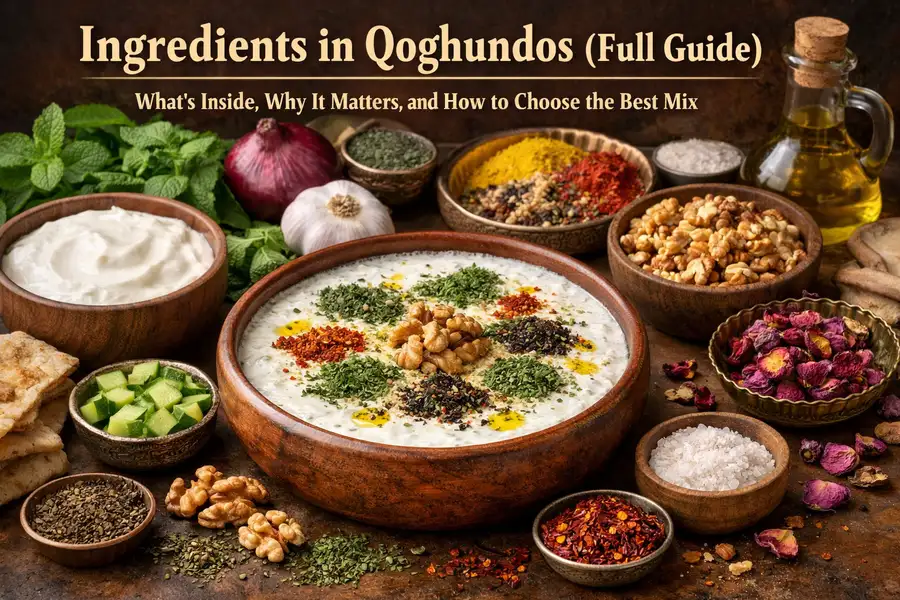
Have you ever wondered what makes certain foods irresistible? What exactly is in Qoghundos that makes it so popular among food lovers? Today, we are diving deep into the ingredients that make Qoghundos a culinary delight. From the freshest herbs to the unique spices, every component plays a crucial role in the final taste. So, grab a cup of tea, and let’s explore the magic behind Qoghundos.
The Base: Why the Core Ingredients Matter
The foundation of any dish determines its flavor, texture, and even aroma. In Qoghundos, the base typically consists of a mix of staple grains or dough, depending on the regional variant. These ingredients are not just fillers; they provide the essential structure for the dish.
For example, many recipes use a type of wheat or rice flour as a starting point. The flour is often blended with water, eggs, or other binding agents to create a soft, pliable dough. This base is crucial because it holds together all the other Ingredients in Qoghundos. Without a strong foundation, Qoghundos would lose its signature texture.
Additionally, some variations incorporate lentils or legumes into the base. This not only adds protein but also introduces a subtle, earthy flavor. The balance between grains and legumes makes the dish satisfying and hearty.
Fresh Vegetables: Adding Color and Nutrition
No dish can truly shine without fresh vegetables, and Qoghundos is no exception. Depending on the recipe, you might find bell peppers, onions, tomatoes, or leafy greens. These vegetables do more than just enhance the appearance; they bring layers of flavor and a nutritional boost.
For instance, onions provide a natural sweetness when sautéed, while tomatoes contribute tanginess and juiciness. Leafy greens, such as spinach or kale, offer a mild bitterness that balances the richness of the other ingredients. By incorporating a variety of vegetables, Qoghundos becomes not only flavorful but also well-rounded and healthy.
Furthermore, the freshness of these vegetables is key. Using garden-fresh or locally sourced produce ensures that each bite bursts with flavor. It also makes the dish visually appealing, which is an important part of the dining experience.
Aromatic Herbs: The Secret to Irresistible Flavor
If you’ve ever wondered why Qoghundos tastes so aromatic, herbs are the answer. Herbs such as cilantro, parsley, dill, and mint often make their way into the dish. They might be added during cooking or sprinkled on top as a garnish. Either way, they elevate the flavor profile significantly.
Cilantro, for instance, provides a fresh, citrusy note, while parsley adds a mild earthiness. Dill gives a hint of sharpness, and mint contributes a cooling effect. These herbs work in harmony to create a taste that is both complex and comforting.
Moreover, using fresh herbs rather than dried ones makes a huge difference. Fresh herbs release essential oils when chopped, which intensifies the flavor and aroma. This is why many chefs insist on adding herbs at the very end of cooking—to preserve their natural fragrance.
Spices: Bringing Heat and Depth
Spices are the heart of Qoghundos. They define the dish and make it unforgettable. Common spices include cumin, coriander, turmeric, paprika, and sometimes chili powder for a gentle kick. Each spice plays a unique role in enhancing the overall taste.
Cumin adds a warm, earthy undertone, while coriander offers a slightly citrusy flavor. Turmeric gives a golden color and a mild bitterness that balances richness. Paprika provides sweetness and smokiness, and chili powder introduces heat for those who like their food a little fiery.
What makes Qoghundos special is the careful balance of these spices. Too much of one can overpower the others, but the right combination creates layers of flavor that keep you coming back for more. Chefs often toast the spices before adding them to release their natural oils, which intensifies their aroma.

Protein Choices: Making It Satisfying
Protein is another essential ingredient in Qoghundos. Depending on the recipe, this could include meat, poultry, fish, or plant-based alternatives. Protein not only makes the dish filling but also adds its own flavor and texture.
For meat lovers, lamb, beef, or chicken are common choices. They are often marinated in spices before cooking to ensure they absorb maximum flavor. Fish, especially firm varieties like cod or trout, can be used for a lighter version.
Vegetarians can enjoy Qoghundos with chickpeas, lentils, or tofu. These options soak up the spices and complement the other ingredients perfectly. By choosing the right protein, the dish becomes balanced and satisfying without overwhelming the palate.
Oils and Fats: Enhancing Taste and Texture
The choice of oil or fat can make or break Qoghundos. Many recipes use olive oil, ghee, or butter to sauté vegetables and cook proteins. Oils help distribute heat evenly and carry flavors throughout the dish.
For example, ghee adds a rich, nutty flavor, while olive oil keeps the dish light and fragrant. Butter contributes creaminess that complements the spices and herbs. The right fat ensures that every bite is smooth and cohesive, tying all the ingredients together.
Additionally, some traditional recipes include a small amount of nut oils, like walnut or sesame, for added depth. These oils may seem minor, but they have a big impact on the aroma and mouthfeel of the dish.
Nuts and Seeds: Adding Crunch and Flavor
Many Qoghundos recipes feature nuts and seeds for texture and taste. Almonds, walnuts, pine nuts, or sesame seeds are commonly used. These ingredients add a pleasant crunch and a nutty flavor that contrasts with the softness of the base.
Nuts and seeds also provide healthy fats and protein, making the dish more nutritious. Toasting them lightly before adding them enhances their aroma and gives an extra layer of flavor. This small step can elevate Qoghundos from ordinary to extraordinary.
Sauces and Pastes: Bringing Everything Together
Some variations of Qoghundos include sauces or pastes made from ingredients like yogurt, tomato, or tahini. These elements bind the dish together and add moisture, ensuring every bite is flavorful.
A tomato-based sauce, for example, adds acidity that cuts through the richness of meat or oil. Yogurt adds creaminess and a subtle tang, while tahini provides a nutty, slightly bitter flavor that balances spices. These sauces also help coat the grains or dough evenly, ensuring consistent taste throughout the dish.
Unique Regional Ingredients
One of the most fascinating things about Qoghundos is how it changes depending on the region. Some areas might add exotic fruits, pickled vegetables, or rare spices that are native to the region. These additions give each version a unique identity while staying true to the essence of Qoghundos.
For example, in some coastal regions, dried seafood is incorporated for a smoky, umami flavor. In mountainous areas, wild herbs and berries might be added for freshness and sweetness. These regional touches show how adaptable and versatile the dish can be.
The Role of Balance in Qoghundos
What makes Qoghundos truly remarkable is the balance of ingredients. Every component, from grains to spices, plays a role in creating harmony. Too much of one flavor can overpower the dish, while too little leaves it bland.
Chefs pay careful attention to this balance, adjusting quantities based on taste tests and experience. They consider texture, aroma, and color, ensuring that each element complements the others. This thoughtful approach is what turns a simple recipe into a memorable experience.
Why Knowing the Ingredients Matters
Understanding the ingredients in Qoghundos is not just about curiosity—it helps you appreciate the dish more. Knowing what goes into it allows you to replicate it at home or tweak it according to your taste.
Moreover, being aware of the ingredients can help with dietary preferences or restrictions. For instance, if you are vegetarian or have allergies, you can substitute proteins or remove certain nuts without losing the essence of the dish. Knowledge empowers you to enjoy Qoghundos safely and deliciously.
Conclusion: The Magic Lies in the Ingredients
In the end, the magic of Qoghundos lies in its ingredients. From the base grains to the fresh vegetables, aromatic herbs, carefully chosen spices, and proteins, every component contributes to its unique flavor. Even minor elements like oils, nuts, and sauces enhance the experience in subtle but important ways.
Next time you enjoy Qoghundos, take a moment to savor each layer of flavor. Think about the care that goes into selecting and combining these ingredients. Understanding what makes this dish special makes eating it even more enjoyable.